Crypto Scam Patterns Explained (2026 Analysis Guide)
Crypto scams have evolved significantly in 2026, becoming more sophisticated, automated, and psychologically targeted. Understanding crypto scam patterns explained is essential for anyone investing in digital assets, trading platforms, or decentralized finance ecosystems.
Modern scam platforms no longer rely on obvious fraud tactics. Instead, they mimic legitimate exchanges, create realistic trading dashboards, and use structured psychological pressure to prevent users from withdrawing funds.
This guide breaks down the most common crypto scam patterns explained, how they operate internally, and what red flags investors should watch for before depositing money.
📊 Common Scam Structures
Most fraudulent crypto platforms follow predictable operational frameworks. While branding and interfaces differ, the underlying scam structure is often the same.
1. Fake Profit Dashboards
One of the most common crypto scam patterns explained is the use of manipulated trading dashboards.
These dashboards show:
- Fake profit growth charts
- Artificial trade execution results
- Unrealistic ROI percentages
- Simulated account balance increases
Users believe they are making money, but the figures are completely fabricated and stored locally or server-side without real market execution.
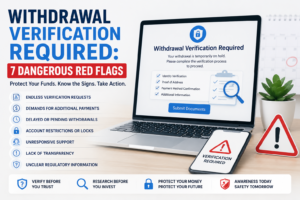
2. Delayed Withdrawal Systems
Another core element in crypto scam patterns explained is withdrawal obstruction.
Typical behaviour includes:
- “Pending verification” delays
- Manual approval loops
- Fake compliance reviews
- Requests for repeated documentation
Eventually, withdrawals are blocked entirely.
This tactic is designed to delay users until they either:
- deposit more money
- or give up trying to recover funds
👉 Related guide:
New Crypto Scam Platforms 2026
3. Bonus Lock-In Traps
Many scam platforms use “bonus incentives” as a control mechanism.
These bonuses often:
- Lock user funds
- Require unrealistic trading volume
- Prevent withdrawals until conditions are met
- Reset progress if terms are not fully completed
This is one of the most deceptive crypto scam patterns explained, because users believe they are receiving free value while actually losing control of their funds.
4. Account Verification Manipulation
Scam platforms frequently use fake compliance procedures.
They may request:
- Additional identity documents
- “Security deposits”
- Tax clearance fees
- Proof of income verification
- Wallet ownership validation
Each step is designed to delay withdrawal or extract additional funds.
🧠 Psychological Manipulation Tactics
Beyond technical deception, scammers rely heavily on psychology.
1. Artificial Account Growth
Users are shown fake profits early to build trust and emotional attachment.
Once users see “profits,” they are more likely to reinvest.
2. Pressure-Based Communication
Scam agents often use:
- Urgency (“limited opportunity”)
- Fear of missing out (FOMO)
- Account suspension threats
- VIP upgrade pressure
This emotional manipulation reduces rational decision-making.
3. Relationship-Based Trust Building
Some scam operators assign fake “account managers” who:
- Call frequently
- Provide “investment advice”
- Appear supportive and professional
- Encourage higher deposits
This creates a false sense of trust.
🔗 Regulatory Reference (Proper Format)
For investor protection guidance, refer to:
- Financial Conduct Authority (FCA)
- U.S. Securities and Exchange Commission (SEC)
- European Securities and Markets Authority (ESMA)
📉 How Withdrawal Blocking Really Works
One of the most important crypto scam patterns explained is the withdrawal restriction system.
Step-by-step scam flow:
- User deposits funds
- Dashboard shows profits
- User requests withdrawal
- System introduces delays or fees
- Additional deposits are requested
- Support becomes unresponsive
- Account is eventually locked or ignored
At no stage are real withdrawals processed.
🔐 Technical Red Flags to Watch
1. No blockchain transparency
Legitimate crypto platforms allow transaction verification. Scam platforms do not.
2. Fake liquidity claims
They often claim high liquidity pools without verifiable on-chain data.
3. Clone exchange interfaces
Many scams copy:
- Binance-style dashboards
- MetaTrader-like layouts
- Generic trading terminals
4. Non-existent company registration
Always verify regulatory status before investing.
📊 Related Scam Intelligence
To understand broader ecosystem risks, review:
These resources track active scam networks and evolving fraud structures.
🧠 Related Case Studies
Real-world examples help reinforce crypto scam patterns explained in practice.
These cases show how users typically lose funds through staged manipulation and withdrawal blocking systems.
🚨 How to Protect Yourself
1. Always verify regulation
Check official financial regulators before depositing funds.
2. Avoid platforms promising guaranteed returns
No legitimate crypto platform guarantees profit.
3. Test withdrawal early
Before large deposits, test small withdrawals.
4. Watch for emotional pressure
Any urgency-based persuasion is a red flag.
5. Research platform history
Look for:
- Complaints
- Scam reports
- Withdrawal issues
- Domain age
📌 Final Thoughts
Understanding crypto scam patterns explained is essential for navigating today’s digital asset ecosystem safely.
Most scams do not rely on technical complexity—they rely on psychological manipulation, fake dashboards, and controlled withdrawal systems.
Once you recognize these patterns, you significantly reduce your risk exposure and can identify fraudulent platforms before financial loss occurs.
If you’ve lost money to a scam broker or platform, act now. Fill in the form below to get a free consultation with experts who may help you trace your funds.