Platform Valuation And Transparency: 10 Key Signs
In recent years, the rise of crypto platforms, CFD brokers, and automated trading services has made transparency even more critical. Many platforms appear legitimate on the surface but fail to disclose who controls them or how their valuation is determined.
Platform valuation and transparency is a critical factor in determining whether an investment or trading platform is legitimate. Strong platform valuation transparency ensures investors can verify ownership, financial stability, and regulatory compliance before depositing funds.
Without proper platform valuation transparency, users are exposed to risks such as hidden ownership, misleading profit reports, and withdrawal restrictions.
This Platform Valuation And Transparency article breaks down how transparency works, how it is evaluated, and how investors can protect themselves using structured verification methods and risk analysis frameworks.

Why Platform Transparency Matters
When investors deposit funds into a trading or investment platform, they are effectively trusting that platform with custody, execution, and reporting of financial activity.
If ownership is hidden or valuation is artificially inflated, investors may face:
- Sudden withdrawal restrictions
- Manipulated account balances
- Fake profit reporting
- Hidden fees or liquidity traps
- Complete loss of funds in exit scams
This is why transparency is not optional—it is a foundational requirement for trust.
Key Components of Transparency
1. Verified Ownership Records
A legitimate platform should clearly disclose:
- Company registration details
- Ultimate beneficial owners (UBOs)
- Corporate structure (parent companies, subsidiaries)
- Physical operational addresses
Lack of ownership transparency is one of the strongest early warning signs of fraudulent platforms.
Learn more about verification methods here: Verify Online Investment Platforms
2. Public Company Disclosures
Publicly listed companies must provide financial transparency through:
- Annual reports
- Quarterly earnings statements
- Audited financials
- Regulatory filings
Private offshore entities, by contrast, often provide no meaningful disclosure, making valuation claims impossible to verify.
3. Independent Audits
Independent audits are essential for validating:
- User deposits and withdrawals
- Platform solvency
- Trading activity legitimacy
- Internal risk exposure
However, many suspicious platforms claim to be “audited” without naming recognized audit firms. Always verify audit legitimacy directly.
4. Regulatory Licensing
A properly regulated platform should be registered with recognized authorities such as:
- Financial Conduct Authority (FCA)
- Cyprus Securities and Exchange Commission (CySEC)
- Australian Securities and Investments Commission (ASIC)
You can review global regulatory standards here: Global Broker Regulators Checklist
Ownership and Platform Valuation Transparency
True platform valuation transparency requires full disclosure of company ownership, including beneficial owners and corporate structure.
Investors should always verify Platform valuation and transparency through official government registries and financial records.
Regulators such as the Financial Conduct Authority (FCA) enforce strict transparency requirements for financial firms.
How Valuation Transparency Is Evaluated
Platform valuation refers to how a company or investment service justifies its financial worth. Transparent valuation means investors can understand:
- Revenue sources
- Asset backing
- Trading volume authenticity
- User growth metrics
- Liquidity reserves
Opaque valuation often relies on marketing claims rather than financial evidence.
Risk Scoring Methodology
Modern evaluation systems use structured scoring models to determine platform risk levels.
Key criteria include:
- Ownership transparency score
- Regulatory compliance level
- Withdrawal reliability
- User complaint volume
- Audit verification strength
Learn more about this methodology here: Risk Score Methodology
Editorial Standards for Evaluation
Reliable platforms follow strict editorial principles to avoid bias and ensure accuracy.
- Independent research sources
- Verified user reports
- Conflict-of-interest disclosure
- Continuous updates to risk data
Full editorial principles: Editorial Principles
Recovery Options
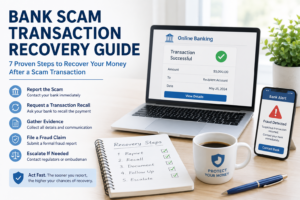
If losses occur due to poor Platform valuation and transparency, recovery depends on documentation, reporting speed, and regulatory escalation.
Recovery guide:
Lost Funds Recovery Guide
Common Transparency Red Flags
1. Hidden Ownership
If a platform does not disclose its founders or executives, this is a major red flag.
2. Unrealistic Valuation Claims
Claims like “guaranteed returns” or “AI-driven profit systems” often lack financial backing.
3. Fake Regulatory Claims
Some platforms falsely display license numbers or copy real regulatory logos.
4. Withdrawal Restrictions
A common scam pattern involves blocking withdrawals under excuses such as:
- “Tax clearance required”
- “Account verification pending”
- “Liquidity maintenance delays”
More details here: Why Trading Platforms Block Withdrawals
Real-World Transparency Failures
Many investor losses occur due to lack of transparency rather than market volatility.
- Platforms disappearing after deposit surges
- Fake broker dashboards showing fabricated profits
- Offshore entities with no legal accountability
- Unverifiable trading activity logs
Case studies: Scam Case Reports 2026
What Happens When Transparency Is Missing
- Funds may be commingled with other users
- Company may operate without legal oversight
- Withdrawals can be blocked indefinitely
- No legal recourse in offshore structures
In many cases, investors only realize the issue when attempting withdrawals.
What to Do If You Encounter a Suspicious Platform
- Stop depositing funds immediately
- Document all communications and transactions
- Verify company registration and licensing
- Check independent scam reports
- Report the platform to authorities
Step-by-step guidance: Suspicious Platform Guide
What If You Cannot Withdraw Funds?
Withdrawal issues are one of the most common indicators of fraud.
Full guide: Cannot Withdraw Guide
Recovery and Reporting Options
Recovery guide: Lost Funds Recovery Guide
Report scams here: Report Investment Scam
Final Thoughts
Platform valuation and transparency is the foundation of investor protection.
A legitimate platform should always provide:
- Clear ownership structure
- Verified regulatory status
- Audited financial disclosures
- Transparent valuation methods
If any of these are missing, the platform should be treated as high-risk until proven otherwise.
If you’ve lost money to a scam broker or platform, act now. Fill in the form below to get a free consultation with experts who may help you trace your funds.