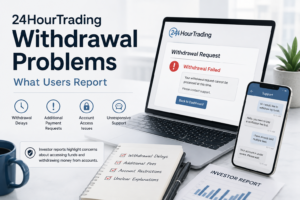
Updated April 2026: Increasing reports highlight users losing money through YouTube-based trading advertisements offering $250 entry investments into automated systems.
1. Overview of YouTube Trading Scam
The YouTube trading scam is a deceptive marketing funnel where users are directed from video advertisements to fake investment platforms.
The typical promise includes:
– AI-powered trading systems
– Passive income opportunities
– Guaranteed returns
In reality, these systems are not connected to real financial markets.
—
2. The $250 Entry Model
Most scams begin with a small deposit requirement, commonly:
– $250 initial investment
– Low-risk entry promise
– “Beginner-friendly” trading access
This low entry point is used to reduce suspicion and increase sign-ups.
—
3. Full Scam Funnel Process
1. YouTube advertisement
2. Landing page registration
3. $250 deposit
4. Fake trading dashboard appears
5. Broker or “account manager” contacts user
6. Pressure to invest more
7. Withdrawal becomes restricted
—
4. Why Victims Trust It
Scammers use:
– Fake testimonials
– Deepfake celebrity endorsements
– Professional-looking dashboards
– Controlled profit simulation
—
5. Withdrawal Problems Explained
Once money is deposited:
– withdrawals are delayed
– extra “fees” are requested
– accounts become restricted
This is a common fraud pattern, not a technical issue.
—
6. UK, Canada & Global Reports
Cases are widely reported in:
– United Kingdom
– Canada
– Australia
– United States
These operations are international in scope.
Understanding How Victims Lose Trust
One of the most important psychological aspects of the YouTube trading scam is how quickly trust is built. Victims are not randomly targeted — they are guided through a carefully structured funnel designed to reduce skepticism.
Scammers use professionally edited videos, fake testimonials, and convincing landing pages that simulate legitimate financial platforms. Many victims report that the experience initially feels realistic because:
– The platform design appears professional
– Account balances show simulated profits
– Customer support responds quickly at first
However, this trust is intentionally engineered. Once the victim deposits funds, the system shifts behavior.
Why Scammers Use Small Entry Deposits
The $250 entry point is not random. It is strategically chosen because:
– It feels “low risk” to the user
– It bypasses hesitation
– It increases conversion rates from ads
Once this first deposit is made, victims are gradually encouraged to increase their investment under the promise of higher returns.
Escalation After Initial Deposit
After the first payment, victims often experience:
– Increased communication from “account managers”
– Requests for larger deposits
– Claims of exclusive trading opportunities
– Pressure-based urgency tactics
At this stage, the scam becomes more aggressive, and victims are psychologically pushed to continue.
Why These Scams Are Hard to Detect Early
These schemes are difficult to identify early because they:
– Imitate legitimate financial services
– Use real-looking dashboards
– Avoid immediate withdrawal requests
This delay strategy is intentional, as it allows scammers to build trust before blocking withdrawals.
—
7. Risk Indicators
– Guaranteed profit claims
– Cold calls after signup
– No regulatory license
– Fake trading activity
– Pressure to reinvest
—
8. External Safety Resources
UK Financial Conduct Authority
9. Frequently Asked Questions
Is the YouTube trading scam real?
Yes, many fraudulent platforms use YouTube ads to attract victims.
Why is $250 used?
It is a low-entry amount designed to build trust quickly.
Are these platforms regulated?
Most are not regulated by any financial authority.
Why do brokers call after signup?
They are part of the scam funnel designed to increase deposits.
Can I get my money back?
Sometimes, depending on payment method and response time.
What should I do immediately?
Stop payments and contact your bank.
—
Related Guides

If you’ve lost money to a scam broker or platform, act now. Fill in the form below to get a free consultation with experts who may help you trace your funds.