The CBEX Scam: Inside An $800 Million Crypto Collapse
Most platforms covered on this site are cases of scattered user complaints and unverified suspicion. The CBEX scam is different it’s one of the most extensively documented crypto Ponzi collapses of the past two years, with a national securities regulator’s enforcement action, an international regulator’s early public alert, and forensic blockchain analysis all pointing at the same operation.
What CBEX Promised
CryptoBridge Exchange, marketed as CBEX, presented itself as an AI-powered crypto trading platform offering exceptionally high, consistent returns through automated trading. It expanded rapidly across several African countries, targeting investors with promises of guaranteed monthly returns generated by AI-driven trading strategies, before collapsing in early 2025 and leaving thousands of investors with substantial losses.
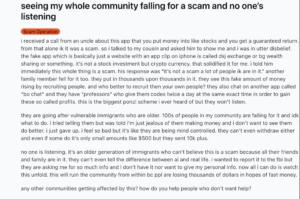
Recruitment leaned heavily on Telegram groups and referral incentives a structure that outlasted the platform’s actual trading claims. One Kenyan investor described being drawn in through a Telegram group promising guaranteed monthly returns and referral bonuses on top, a combination he later recognized as a classic Ponzi hallmark once the platform stopped paying out; he estimated his own loss at roughly $16,000, much of it borrowed.
The Regulatory Timeline
Hong Kong’s Securities and Futures Commission moved early on this one a public alert against CBEX Group went out as early as April 2024, well before the operation’s most damaging phase played out in Nigeria and Kenya nearly a year later. That timing matters: this wasn’t a case regulators caught up to after the fact everywhere.
Nigeria’s Securities and Exchange Commission followed with a direct warning that CBEX is not registered or authorised to provide investment-related services in the country, and confirmed enforcement proceedings had already begun against the platform and its promoters. That’s a materially different category of evidence than the user-report patterns that make up most scam coverage — it’s a government body stating, formally, that this operation was never licensed to do what it was doing.
How The Collapse Actually Played Out
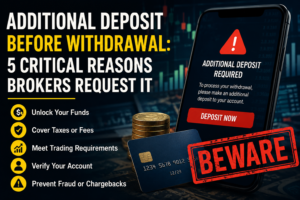
CBEX didn’t announce a collapse outright. It framed the initial stoppage as a pause withdrawals were suspended pending an audit by an outside firm, a familiar delay tactic that bought time without triggering the panic an outright shutdown would. When that promised audit timeline passed with nothing resolved, the platform came back online, but with a new condition attached: an upfront payment required before any withdrawal could be processed.
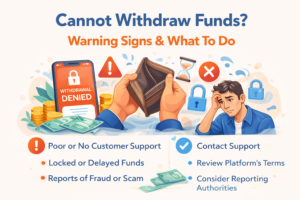
Nigeria’s SEC issued a further warning specifically about this second phase, and the pattern that followed confirms why: users who paid that upfront fee reported receiving nothing afterward. Read that sequence again and it’s a recognizable shape a collapsed scheme reappearing specifically to extract a second round of payment from people who’d already lost money once, under the pretense of finally resolving the original problem.
What The Blockchain Forensics Showed
This is the piece that separates the CBEX scam from a platform where the evidence is mostly anecdotal: blockchain intelligence firm Elliptic conducted an independent forensic investigation and found that, despite CBEX’s presentation as a legitimate trading business, its on-chain activity showed complex cross-chain laundering operations occurring while the platform was still actively taking deposits from users. That’s not a complaint or a regulator’s warning it’s a technical, third-party trace of where the money actually went, and it corroborates the regulatory findings rather than standing apart from them.
The Human Cost
Coverage of the collapse puts the scale at approximately $800 million in losses concentrated in Nigeria, and the personal accounts behind that number are what make the scale legible: small business owners losing working capital, students losing tuition money, retirees losing savings meant to last them. This wasn’t a niche scheme with a handful of victims it reached deep into ordinary household finances across two countries.
Recognizing This Pattern Elsewhere
- Recruitment through private messaging channels rather than a transparent public offering
- Guaranteed or unusually consistent returns attributed to “AI-powered” trading
- Heavy reliance on referral bonuses to drive growth a Ponzi hallmark on its own
- A withdrawal suspension justified by a vague “audit,” with no named third party
- A demand for payment to “unlock” or “verify” funds arriving only after the platform already failed to pay out once
If You Invested In CBEX
Don’t pay a further “verification” or “compensation processing” fee under any circumstances every documented account of this specific tactic ended with no funds returned afterward. File a report with Nigeria’s SEC if applicable, and with your own national financial regulator and cybercrime unit regardless of where you’re located; Elliptic and multiple outlets covering this case point to that as the primary practical step available now. If your funds can be traced to a specific exchange where the scammers cashed out, contacting that exchange’s support team directly to flag the wallet address has, in some tracked cases, helped freeze further movement of stolen funds.
One more thing worth doing that’s easy to overlook: preserve every record you have, including deposit transaction hashes, Telegram conversations, and any “compensation” or “verification” messages, since some reporting on this specific case flags a real identity-theft risk from leaked CBEX user data, separate from the direct financial loss.
Documenting A Similar Case?
Here’s how to organize your evidence and file a report that regulators can actually act on.
Questions About The CBEX Scam
Is CBEX still operating?
Reporting from mid-2025 indicated the main site had gone offline, though activity in private Telegram channels reportedly continued afterward.
Will victims get their money back?
No confirmed recovery mechanism currently exists. Enforcement action may eventually lead to some asset seizure and return through legal process, but that’s a lengthy process with no guaranteed timeline or outcome.
Is CBEX the same operation as PCEX?
Some user reports and reviewers have noted similarities and discussed a possible connection, but CBEX has a substantially larger and more independently verified regulatory and forensic record of its own we cover PCEX separately given the different weight of evidence behind each.
How did an AI-trading scam reach $800 million before being stopped?
Partly timing Hong Kong’s SFC flagged it in April 2024, but enforcement in its main markets (Nigeria, Kenya) came later, after the referral-driven growth had already compounded. Partly structure the referral-bonus model meant existing investors were financially incentivized to recruit new ones, accelerating growth independent of any real returns.
Related Resources
- How To Report An Investment Scam
- Crypto Investment Scam Recovery Guide
- Top 10 Red Flags of Crypto & Forex Scams
Sources: Nigerian Securities and Exchange Commission public warnings; Hong Kong Securities and Futures Commission alert (April 2024); Elliptic forensic blockchain investigation; AFP, France24, and Jakarta Post reporting on the Nigeria/Kenya collapse. Last updated September 2026.
If you’ve lost money to a scam broker or platform, act now. Fill in the form below to get a free consultation with experts who may help you trace your funds.