Scam Warning Signs Every Investor Must Know (2026 Guide)
-
Online investing has made financial markets more accessible than ever before. Today, anyone can open an account, trade currencies, buy crypto, or invest in global markets within minutes. Unfortunately, the same convenience has also created opportunities for fraudsters.
Every year, thousands of investors lose money to fake brokers, fraudulent crypto exchanges, impersonation scams, and unregulated platforms that appear legitimate on the surface. Many scam operations use professional-looking websites, fake customer reviews, and aggressive sales tactics to pressure victims into depositing funds quickly.
That is why understanding scam warning signs every investor must know is one of the most important protections in 2026.
This guide explains the most common red flags used by fraudulent trading platforms, how to verify whether a company is legitimate, and what steps to take if you suspect suspicious activity.
Why Scam Awareness Matters in 2026
Investment scams have evolved significantly. Many no longer look obviously fake. Instead, scammers build polished websites, create fake social media communities, and even use AI-generated support agents to appear credible.
Modern scam platforms often target:
- Beginner traders
- Crypto investors
- Retirees seeking passive income
- Users searching for “best brokers” online
- People recovering from previous financial losses
Before opening any account, it helps to understand how platforms are assessed using transparent research criteria. You can review this process in our guide on how we evaluate platforms.
🚨 Key Scam Warning Signs Every Investor Must Know
1. Guaranteed Profits or “Risk-Free Trading” Claims
No real investment can guarantee profits.
Markets move unpredictably. Even the most experienced institutional traders cannot promise fixed returns. If a platform claims:
- Guaranteed daily profits
- 95% winning trades
- Zero-risk investments
- Passive income with no downside
- AI systems that “never lose”
…it should be treated as a major warning sign.
Scammers rely on emotional triggers. They know many investors want certainty and fast results.
Reality Check:
Legitimate brokers explain risks clearly. Fraudulent platforms hide risk and oversell rewards.
For more verification steps, see verify online investment platforms.
2. Pressure to Deposit More Funds
One of the most common scam tactics is urgency.
You may hear phrases like:
- “Deposit now before the opportunity closes.”
- “Upgrade to VIP to unlock profits.”
- “Add funds today to recover losses.”
- “Your account is almost ready—just one final payment.”
This pressure often intensifies after your first deposit.
Scammers may assign a fake “account manager” who calls repeatedly and encourages larger transfers. Their goal is simple: extract as much money as possible before you stop sending funds.
Legitimate Firms Do Not Need to Pressure You
Real regulated brokers allow clients to fund accounts voluntarily and do not harass users with constant calls.
Related insight: Broker scam calls after trading signup
3. Withdrawal Restrictions or Hidden Fees
This is one of the strongest scam indicators.
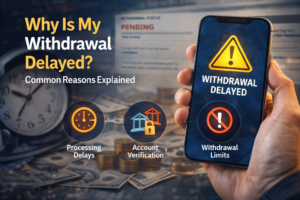
Many fraudulent platforms allow deposits instantly—but create endless obstacles when users request withdrawals.
Common excuses include:
- Pay tax first
- Pay verification fee
- Upgrade account tier first
- Reach minimum trading volume
- Wait for compliance review
- Deposit more to unlock withdrawals
These tactics are designed to delay you until communication stops entirely.
Important Rule:
A legitimate broker does not require random extra payments to release your own money.
If this is happening, read:
- Cannot withdraw from a trading platform – what to do next
- Pay tax before withdrawal scam – what to do
- Can’t withdraw trading funds guide 2026
4. No Verifiable Regulation
Always verify a platform independently through official regulators such as:
- Financial Conduct Authority (FCA)
- U.S. Securities and Exchange Commission (SEC)
- Cyprus Securities and Exchange Commission (CySEC)
- Australian Securities & Investments Commission (ASIC)
Use this reference: Global broker regulators by country checklist
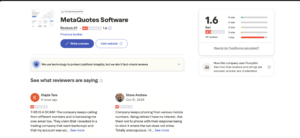
5. Fake Reviews and Paid Testimonials
Scam platforms often create fake trust signals such as:
- Hundreds of five-star reviews posted quickly
- Generic testimonials with no detail
- AI-generated profile photos
- Influencers promoting “easy money” links
- Paid comparison sites ranking scams highly
Always look for independent analysis and balanced user feedback.
6. Unclear Ownership or Anonymous Team
Would you trust a financial institution with no visible leadership?
Many fraudulent platforms hide:
- Company ownership
- Directors
- Corporate registration
- Office location
- Support identities
If nobody stands behind the business publicly, be cautious.
7. Complex Bonus Schemes
Fake regulation is a major part of Scam Warning Signs Every Investor Must Know.
Bonus scams are still common in 2026.
Examples:
- Deposit $1,000 and receive $2,000 bonus
- Accept reward credits automatically
- Locked funds until huge trading volume reached
These bonus structures often prevent withdrawals.
8. Fake Reviews and Social Proof
Fraud platforms often rely on fake credibility signals.
Watch for:
- Too many perfect 5-star reviews
- Repeated identical comments
- Fake “profit screenshots”
- Paid influencer promotions
This is a classic part of Scam Warning Signs Every Investor Must Know.
9. Anonymous or Untraceable Companies
If you cannot find:
- Company ownership
- Legal registration
- Real office address
- Management team
…then it strongly indicates risk.
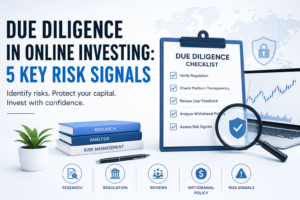
📌 How to Check if a Platform Is Legitimate
Before sending money anywhere, follow this checklist.
To fully apply Scam Warning Signs Every Investor Must Know, always verify before depositing.
Step 1: Search the Company Name + Scam Complaints
Look for:
- Withdrawal issues
- Unanswered support tickets
- Frozen accounts
- Regulatory warnings
Step 2: Verify Regulation Independently
Never trust a badge on the website.
Use official regulator registers.
Step 3: Check Domain Age
Many scam sites are recently launched and disappear within months.
Step 4: Read Transparent Reviews
Use independent research sources and compare findings.
Useful resources:
Step 5: Test Support Before Depositing
Ask questions about:
- Fees
- Withdrawals
- Regulation
- Client fund segregation
Poor or evasive answers are warning signs.
📉 Real Scam Intelligence (2026 Alerts)
Staying updated is critical because new scam brands launch constantly.
Current alerts:
These lists can help investors identify recurring patterns and suspicious operators.
🚨 What To Do Immediately If You Suspect a Scam
If you notice warning signs, act quickly.
1. Stop Sending Money
Do not send “final fees,” taxes, or unlock payments.
2. Save Evidence
Collect:
- Emails
- Chat logs
- Screenshots
- Wallet addresses
- Transaction IDs
3. Contact Your Bank or Payment Provider
Report unauthorized or suspicious transfers immediately.
4. Change Passwords
If you shared documents or login details, update credentials.
5. Report the Platform
Notify regulators or cybercrime authorities in your region.
6. Follow a Recovery Process
Use:
Examples of High-Risk Platforms Being Reported
Investors often search platform names after problems begin. That is why independent reviews matter.
Examples of recently searched platforms include:
- Cryptos Circus
- Goliath Ventures
- Weccoin
- Biztranex
- PCEX
- Obaiscap
Researching a platform before depositing is always better than after withdrawal issues begin.
How Legitimate Brokers Differ from Scam Platforms
A trustworthy broker usually offers:
- Clear legal disclosures
- Regulator verification
- Transparent pricing
- Reliable withdrawals
- Risk warnings
- Professional support
- Realistic marketing (not guaranteed profits)
If you are looking for safer options, compare:
- Best brokers for beginners 2026
- Safest regulated brokers UK 2026
- Low risk trading platforms ranked 2026
Common Emotional Triggers Scammers Use
Fraudsters rarely sell investments—they sell emotions.
They exploit:
- Fear of missing out
- Urgency
- Greed
- Trust in authority figures
- Desire to recover losses
- Social proof
Recognizing emotional manipulation can protect you as much as technical checks.
Final Thoughts
The most effective defense against fraud is education. Understanding scam warning signs every investor must know can help you avoid fake brokers, blocked withdrawals, and costly mistakes.
Remember these four major red flags:
- Guaranteed profits
- Pressure to deposit more funds
- Withdrawal restrictions
- No verifiable regulation
If something feels rushed, unclear, or too good to be true, pause and investigate before sending money.
A few minutes of due diligence today can prevent serious financial loss tomorrow.
FAQ
What is the biggest scam warning sign for investors?
Guaranteed returns and blocked withdrawals are among the strongest warning signs.
Can regulated brokers still have complaints?
Yes, but legitimate firms usually resolve issues transparently and remain accountable to regulators.
Should I pay fees to release frozen funds?
Usually no. Many scams demand fake taxes or unlock fees.
How do I verify a broker?
Check official regulator registers, ownership records, reviews, and withdrawal policies before depositing.
If you’ve lost money to a scam broker or platform, act now. Fill in the form below to get a free consultation with experts who may help you trace your funds.