Introduction
Online trading platforms have made investing more accessible than ever. With a smartphone or laptop, users can trade stocks, forex, ETFs, commodities, and cryptocurrencies from almost anywhere.
But a common question remains:
Are online trading platforms safe?
The honest answer is:
Some are safe, many are risky, and some are outright scams.
Safety depends on regulation, transparency, fund protection, platform reputation, withdrawal reliability, and how the company operates.
This guide explains the real risks, how to identify safer platforms, and how to protect yourself before depositing funds.
What Is an Online Trading Platform?
An online trading platform is a website or app that allows users to buy and sell financial assets such as:
- Stocks
- ETFs
- Forex
- Commodities
- Cryptocurrencies
- CFDs
- Indices
Examples include broker platforms, stock apps, crypto exchanges, and multi-asset trading systems.
Are Online Trading Platforms Safe?
The Short Answer:
✔ Safe Platforms Usually Have:
- Strong regulation
- Transparent fees
- Verified company ownership
- Secure login systems
- Reliable withdrawals
- Good user reputation
- Clear legal documentation
❌ Risky Platforms Often Have:
- No regulation
- Hidden fees
- Aggressive sales tactics
- Fake profits shown on dashboards
- Withdrawal delays
- Poor customer support
- Anonymous ownership
Are Online Trading Platforms Safe?- Biggest Risks To Check
1. Unregulated Brokers
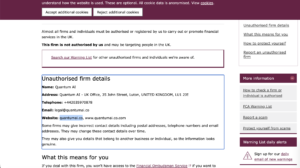
Many platforms claim to be licensed but are not.
They may use fake license numbers or copy real companies.
Always verify directly with regulators.
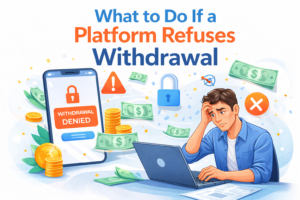
2. Withdrawal Problems
Some users can deposit instantly but face delays when trying to withdraw.
Warning signs include:
- endless verification requests
- sudden fees
- minimum withdrawal excuses
- support silence
3. High-Risk Products
Even safe platforms can offer risky products like:
- leveraged CFDs
- margin trading
- volatile crypto assets
Safety of the company does not remove market risk.
4. Hidden Fees
Watch for:
- inactivity fees
- overnight financing fees
- conversion charges
- withdrawal fees
5. Scam Clones
Fraudsters often clone real broker brands using similar names or websites.
Always double-check the domain name.
How to Check if a Trading Platform Is Safe
Step 1: Verify Regulation
Look for licenses from bodies such as:
- Financial Conduct Authority
- U.S. Securities and Exchange Commission
- European Securities and Markets Authority
- Investor Gov
Then verify directly on the regulator website.
Step 2: Check Company Transparency
Look for:
- registered company name
- physical address
- terms and conditions
- ownership information
No transparency = major warning sign.
Step 3: Read Independent Reviews
Look beyond testimonials shown on the platform itself.
Search for:
- withdrawal complaints
- frozen accounts
- poor support
- unresolved disputes
Step 4: Test With Small Deposits
Never start with large amounts.
Use a small deposit first and test:
- deposit speed
- platform usability
- withdrawal process
- customer support response
Are Regulated Platforms 100% Safe?
No.
Regulation helps, but it does not guarantee profits or remove all risks.
Even regulated firms can still have:
- service issues
- operational problems
- poor execution
- financial stress
- product risk
Regulation reduces risk — it does not eliminate it.
Red Flags You Should Never Ignore
Leave immediately if a platform does any of these:
- promises guaranteed profits
- pressures you to deposit urgently
- asks for remote computer access
- refuses withdrawals
- changes account managers often
- asks for extra tax/payment before withdrawal
- has no verifiable license
Safest Types of Platforms Usually Include
- Established stock brokers
- FCA / SEC regulated firms
- Publicly listed broker companies
- Platforms with long track records
- Firms with segregated client fund policies
Best Practice Safety Checklist
Before funding any account:
- Verify regulation
- Read independent reviews
- Understand fees
- Start small
- Avoid leverage if inexperienced
- Use strong passwords + 2FA
- Keep records of all transactions
Final Verdict
So, are online trading platforms safe?
The real answer:
Safe if carefully chosen. Dangerous if blindly trusted.
Many legitimate platforms exist, but scams and poorly run operators also exist.
The smartest approach is not asking whether all platforms are safe — it is learning how to identify the safer ones and avoid the risky ones.
Related Internal Guides
- Safest Regulated Brokers UK
- Low Risk Trading Platforms Ranked 2026
- Verify Online Investment Platforms
- How We Evaluate Platforms
If you’ve lost money to a scam broker or platform, act now. Fill in the form below to get a free consultation with experts who may help you trace your funds.