What to Do If Your Offshore Broker Refuses Withdrawals
📌 Introduction
When an offshore broker refuses withdrawals, investors are often left confused, frustrated, and uncertain about what to do next. In many cases, traders initially believe the issue is temporary or caused by routine compliance checks. However, repeated withdrawal delays, unexplained restrictions, and requests for additional deposits can indicate a much more serious problem.
Over the past several years, reports involving offshore brokers refusing withdrawals have increased significantly across forex, CFD, and cryptocurrency trading platforms. Many offshore brokers operate outside strict regulatory oversight, making it difficult for investors to recover funds once problems begin.
Understanding how these platforms operate, why withdrawals get blocked, and what actions investors should take immediately can significantly reduce financial damage.
For transparency regarding platform analysis methodologies, see:
How We Evaluate Platforms,
Methodology Sources, and
Risk Score Methodology.
⚠️ Why Offshore Brokers Refuse Withdrawals
Not every withdrawal delay automatically means fraud. Legitimate regulated brokers may occasionally pause withdrawals for identity verification, anti-money laundering reviews, or technical processing issues.
However, when an offshore broker refuses withdrawals repeatedly without clear explanations, investors should treat the situation seriously.
Several common reasons appear repeatedly in investor complaints and platform investigations:
- Liquidity shortages preventing platforms from processing withdrawals
- Internal risk controls triggered after users become profitable
- Intentional stalling tactics designed to retain deposits
- Unregulated operations lacking real financial oversight
- Pressure tactics encouraging users to deposit more funds
Many high-risk brokers continue operating despite mounting complaints because they frequently change domains, ownership structures, or platform names.
Read: Why Trading Platforms Suddenly Block Withdrawals
🚩 Warning Signs of a High-Risk Offshore Broker
If your offshore broker refuses withdrawals, examine the platform carefully for additional warning signs.
1. Unclear Regulatory Status
Many offshore brokers claim regulation without providing verifiable licensing information. Others use cloned registration numbers from legitimate firms.
Always verify broker licenses independently: Global Broker Regulators Checklist
2. Withdrawal Conditions Change Suddenly
A common tactic involves changing withdrawal terms after deposits are made. Some platforms introduce:
- Unexpected tax requirements
- Verification fees
- Trading volume conditions
- Account upgrade requirements
Related: Pay Tax Before Withdrawal Scam
3. Aggressive Account Managers
Many offshore brokers use high-pressure sales tactics through “account managers” who constantly encourage larger deposits while discouraging withdrawals.
Some investors also report fake financial advisors connected to these platforms: How to Detect Fake Financial Advisors
4. Poor Transparency
High-risk brokers often hide:
- Real ownership information
- Corporate registration details
- Physical office locations
- Withdrawal processing procedures
📊 Why Offshore Platforms Are Difficult to Recover Funds From
One of the biggest problems with offshore brokers is jurisdiction. Many platforms are registered in loosely regulated regions where enforcement is limited.
This creates several challenges:
- Limited investor protection laws
- Weak financial oversight
- Difficult legal recovery processes
- Anonymous ownership structures
In some cases, platforms disappear entirely after accumulating enough deposits.
Review current warnings: High Risk Platform Watchlist
🛠️ Immediate Steps to Take
If an offshore broker refuses withdrawals, your response during the first few days is extremely important.
Freeze Further Deposits
Never send additional funds to “unlock” withdrawals. This is one of the most common escalation tactics used by fraudulent brokers.
Save All Evidence
Document everything:
- Emails
- Chats
- Withdrawal requests
- Transaction IDs
- Platform screenshots
- Phone call records
Request Written Clarification
Ask the broker for:
- Specific reasons for rejection
- Compliance documentation
- Withdrawal processing timelines
Verify the Platform Independently
Use independent verification resources: Verify Trading Platform Guide
🔍 Common Offshore Withdrawal Scam Tactics
Many investors encountering blocked withdrawals report similar patterns.
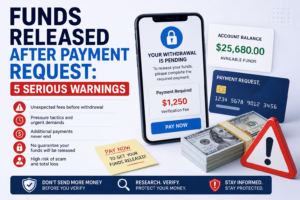
“Pay Fees Before Release”
Platforms demand taxes, insurance payments, or verification fees before processing withdrawals.
Account Freezes After Profits
Some platforms allow withdrawals initially but freeze accounts once balances grow larger.
Artificial Compliance Reviews
Users are repeatedly told their accounts are “under review” with no actual resolution timeline.
Communication Slowdowns
Support teams suddenly stop responding after withdrawal requests are submitted.
Related: CFD Broker Refusing Withdrawal
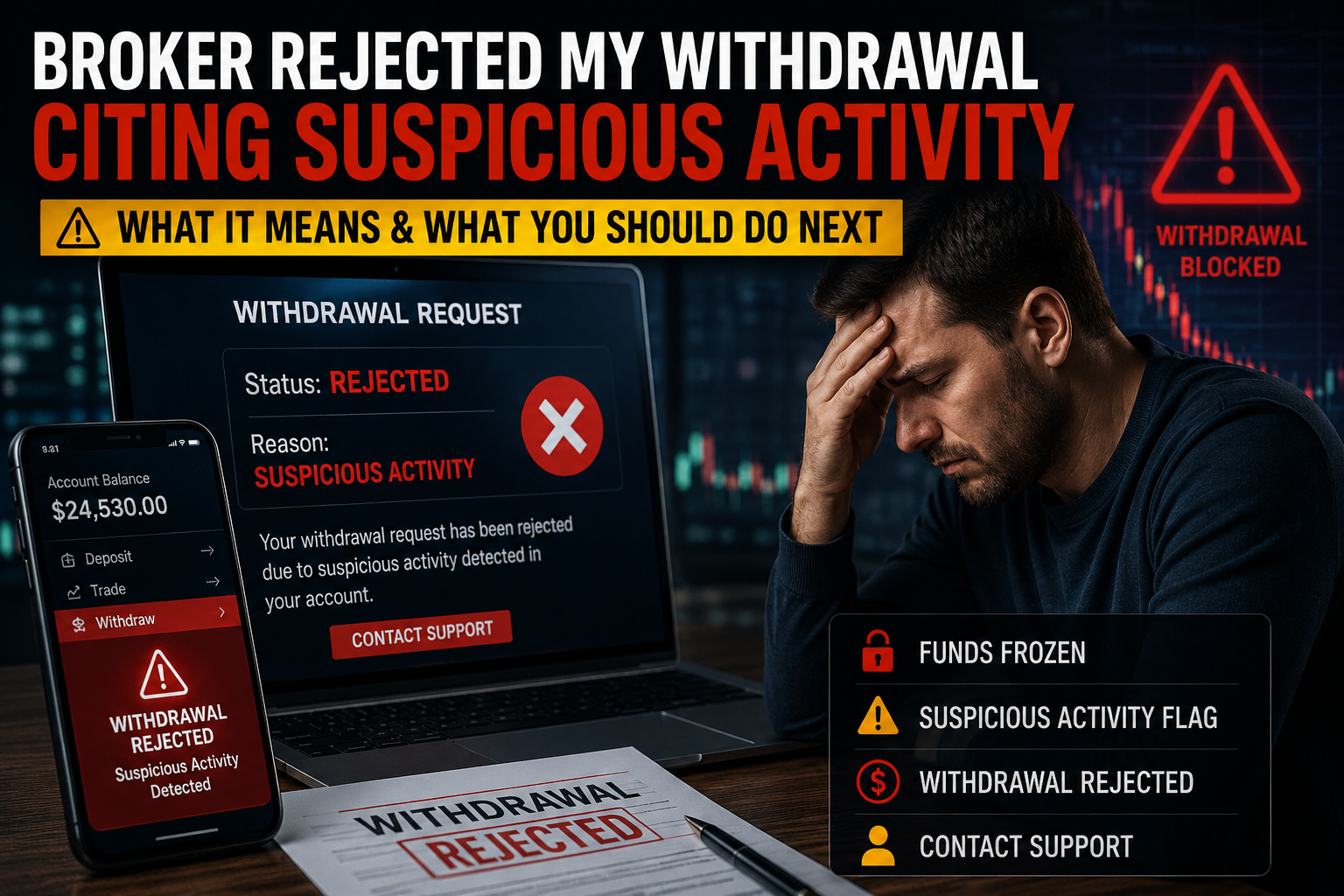
🛠️ What to Do If Your Broker Rejected My Withdrawal Citing Suspicious Activity
If your broker rejected your withdrawal citing suspicious activity, immediate action is important.
- Request a written explanation with full details
- Stop all further deposits immediately
- Document all communication and transactions
- Attempt withdrawal only through official system channels
Step-by-step recovery guide: Cannot Withdraw – What To Do Next
📚 Real Case Reports and Related Platform Reviews
Several recent reports involve platforms accused of withdrawal restrictions or transparency concerns:
🧠 How to Reduce Future Risk
Preventing future withdrawal problems starts before depositing funds.
Use Regulated Brokers
Prioritize brokers regulated by established authorities.
See: Safest Regulated Brokers UK
Research Before Depositing
Always search for:
- User complaints
- Regulatory warnings
- Withdrawal reports
- Ownership transparency
Start With Small Withdrawals
Testing withdrawal functionality early can reveal problems before large balances accumulate.
Avoid Guaranteed Profit Claims
Many offshore scams use unrealistic marketing promises.
Read: Scam Warning Signs Guide
📊 Risk Interpretation and Scam Patterns to check if Broker Rejected My Withdrawal Citing Suspicious Activity
When a broker rejects withdrawals citing suspicious activity, escalation patterns often follow.
- Requests for “unlock fees” or “tax clearance”
- Account upgrade requirements
- Endless verification loops
These behaviors are frequently seen in fraudulent systems and are documented in: Tax Before Withdrawal Scam Guide
📌 Recovery and Reporting Options
While recovery is not always possible, early reporting increases your chances of protecting remaining funds.
- Report the platform to regulators
- Contact your bank or payment provider
- Preserve all transaction evidence
- Document communication timelines
Useful resources:
❓ Frequently Asked Questions
Can offshore brokers legally block withdrawals?
Some regulated brokers may temporarily pause withdrawals for compliance reviews. However, repeated unexplained restrictions or demands for additional payments are major warning signs.
Should I pay taxes or fees before withdrawal?
Be extremely cautious. Many fraudulent platforms demand fake taxes or release fees before allowing withdrawals.
Can I recover funds from an offshore broker?
Recovery depends on payment methods, jurisdiction, and timing. Immediate reporting and evidence preservation improve the chances of recovery.
How do I know if a broker is legitimate?
Verify regulation independently, review transparency details, and search for independent complaints before depositing funds.
Why do offshore brokers target beginners?
New investors may be less familiar with regulation, withdrawal procedures, and scam warning signs.
🌍 External Regulatory Resources
Investors should independently verify broker licenses and regulatory claims through official financial authorities.
- UK Financial Conduct Authority (FCA)
- U.S. Securities and Exchange Commission (SEC)
- Australian Securities and Investments Commission (ASIC)
- Cyprus Securities and Exchange Commission (CySEC)
📌 Conclusion
If your offshore broker refuses withdrawals, treat the situation seriously from the beginning. While some delays may involve legitimate compliance procedures, repeated restrictions, vague explanations, and additional payment requests often indicate elevated platform risk.
Your priority should be protecting remaining funds, documenting all communication, and independently verifying the platform’s legitimacy.
The earlier you respond strategically, the better your chances of minimizing financial damage and avoiding further losses.
If you’ve lost money to a scam broker or platform, act now. Fill in the form below to get a free consultation with experts who may help you trace your funds.