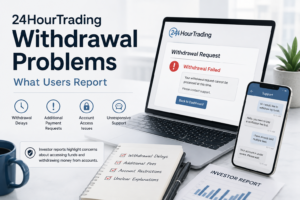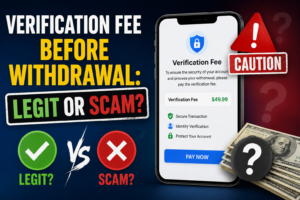
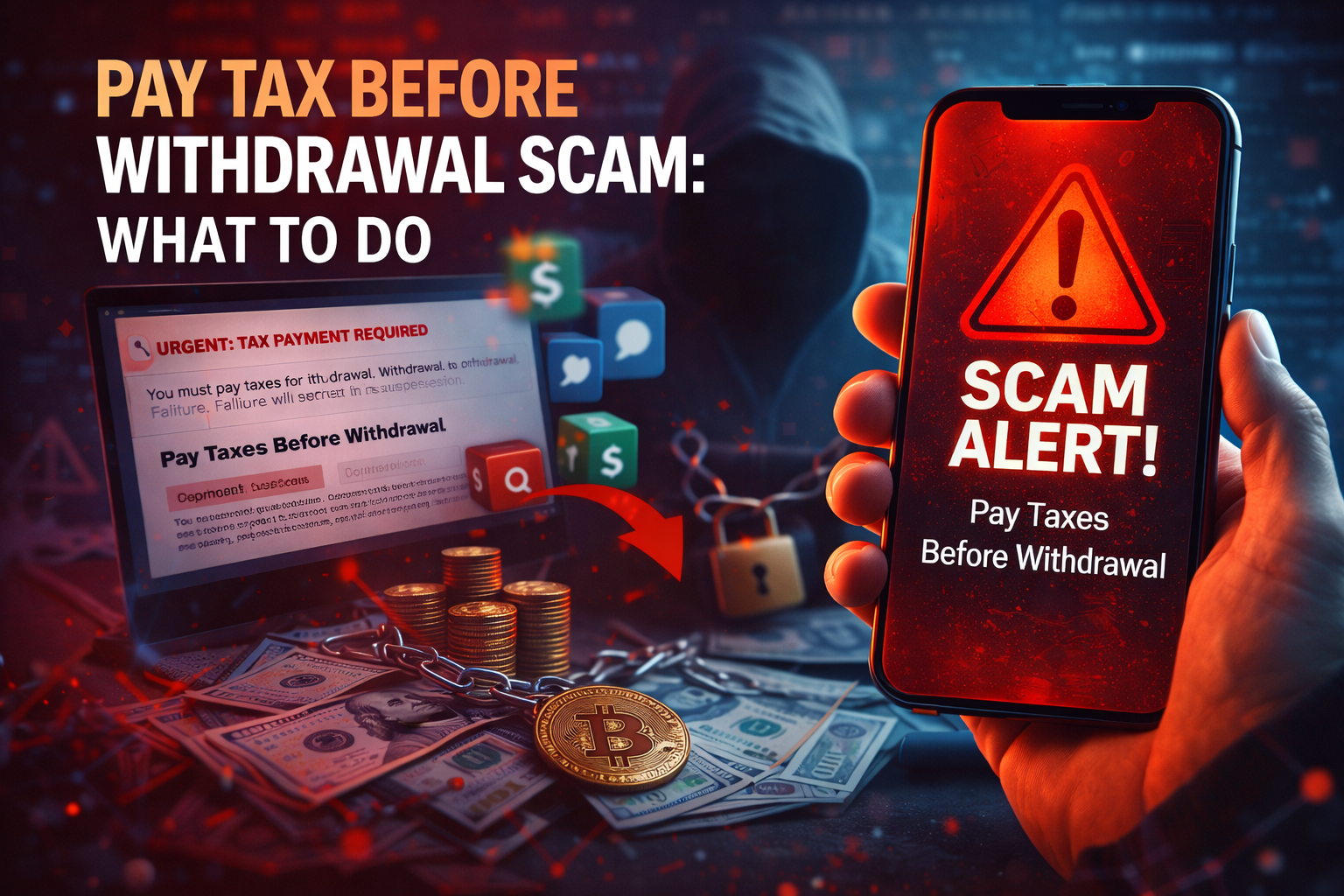
If you have been asked to pay tax before withdrawing your funds, you may be dealing with a pay tax before withdrawal scam. This is one of the most commonly reported tactics used by high-risk trading platforms and fraudulent investment schemes.
What makes this situation confusing is that the request often appears legitimate. Users are told their profits are real, but a “tax,” “liquidity fee,” or “processing charge” must be paid before the withdrawal can be completed.
In reality, this is often the point where many victims lose even more money.
What Is the Pay Tax Before Withdrawal Scam?
The pay tax before withdrawal scam is a tactic used to extract additional funds from users who are trying to withdraw their money. After building trust and showing apparent profits, the platform introduces a final barrier — a required payment before funds can be released.
These requests are often presented as:
- Government tax payments
- Withdrawal processing fees
- Liquidity or clearance charges
- Account unlocking fees
Legitimate platforms do not require separate payments like this to release funds. Any genuine fees are typically deducted automatically, not requested upfront.
Why You Are Being Asked to Pay Tax Before Withdrawal
When users encounter a pay tax before withdrawal scam, it usually means the platform is attempting to maximize extraction before cutting off communication.
This stage often happens after:
- You have deposited a significant amount
- Your account shows large “profits”
- You attempt your first withdrawal
At this point, the platform relies on urgency and pressure to convince you that paying the fee is the only way to access your funds.
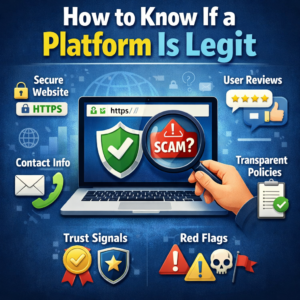
Clear Signs of a Pay Tax Before Withdrawal Scam
There are consistent warning signs that indicate you are dealing with a pay tax before withdrawal scam.
- You are asked to send money separately to release your funds
- The payment is requested via crypto or unusual methods
- The amount requested keeps increasing
- Support becomes inconsistent or difficult to reach
- You are pressured to act quickly or risk losing everything
Many cases follow similar patterns to those documented here:
Scam Case Reports 2026.
What Happens If You Pay the Tax?
In most pay tax before withdrawal scam cases, paying the requested amount does not result in a successful withdrawal.
Instead, users often experience:
- Additional payment requests after the first fee
- New excuses for delays
- Account restrictions or complete loss of access
This creates a cycle where victims continue sending funds in the hope of unlocking their balance.
What To Do If You Are Facing This Situation
If you are dealing with a pay tax before withdrawal scam, taking the right steps immediately can help limit further losses.
1. Do Not Send Any More Money
No legitimate platform will require repeated payments to release your funds. Avoid sending additional funds regardless of the explanation given.
2. Document Everything
Save all communications, transaction records, and screenshots of your account. This information is important for any recovery or reporting process.
3. Review Your Situation Carefully
If your account is restricted or withdrawals are blocked, you may also be dealing with broader issues explained here:
Cannot Withdraw – What to Do Next.
4. Follow Structured Recovery Steps
Understanding your options is important before taking further action. You can start here:
Lost Funds Recovery Guide.
How This Scam Connects to Other Withdrawal Issues
The pay tax before withdrawal scam is rarely an isolated issue. It is often part of a wider pattern that includes blocked withdrawals, account freezing, and repeated payment demands.
You can explore related high-risk platform activity here:
Platform Watchlist 2026.
How to Protect Yourself Moving Forward
Once you have encountered a pay tax before withdrawal scam, it is important to avoid further exposure.
- Be cautious of follow-up scams targeting victims
- Avoid “guaranteed recovery” services asking for upfront fees
- Verify any platform before engaging again
- Take time before making financial decisions
- Read Reviews on Scams2Avoid.com or Trustpilot.com
If you recently encountered a suspicious platform, follow:
Steps to Take After Encountering a Suspicious Platform.
Final Thoughts
The pay tax before withdrawal scam is designed to exploit urgency and trust at a critical moment. While the situation can feel overwhelming, recognizing the pattern is the first step toward protecting yourself.
Avoid sending additional funds, gather evidence, and focus on safe next steps. Acting carefully now can prevent further financial loss.
FAQs
Is paying tax before withdrawal ever legitimate?
No. Legitimate platforms deduct fees automatically and do not require separate payments to release funds.
Why do scammers ask for tax payments?
It creates a believable reason to request more money while delaying withdrawal indefinitely.
Can I recover money after paying the tax?
Recovery depends on several factors, including payment method and timing. Acting quickly improves your chances.
If you’ve lost money to a scam broker or platform, act now. Fill in the form below to get a free consultation with experts who may help you trace your funds.